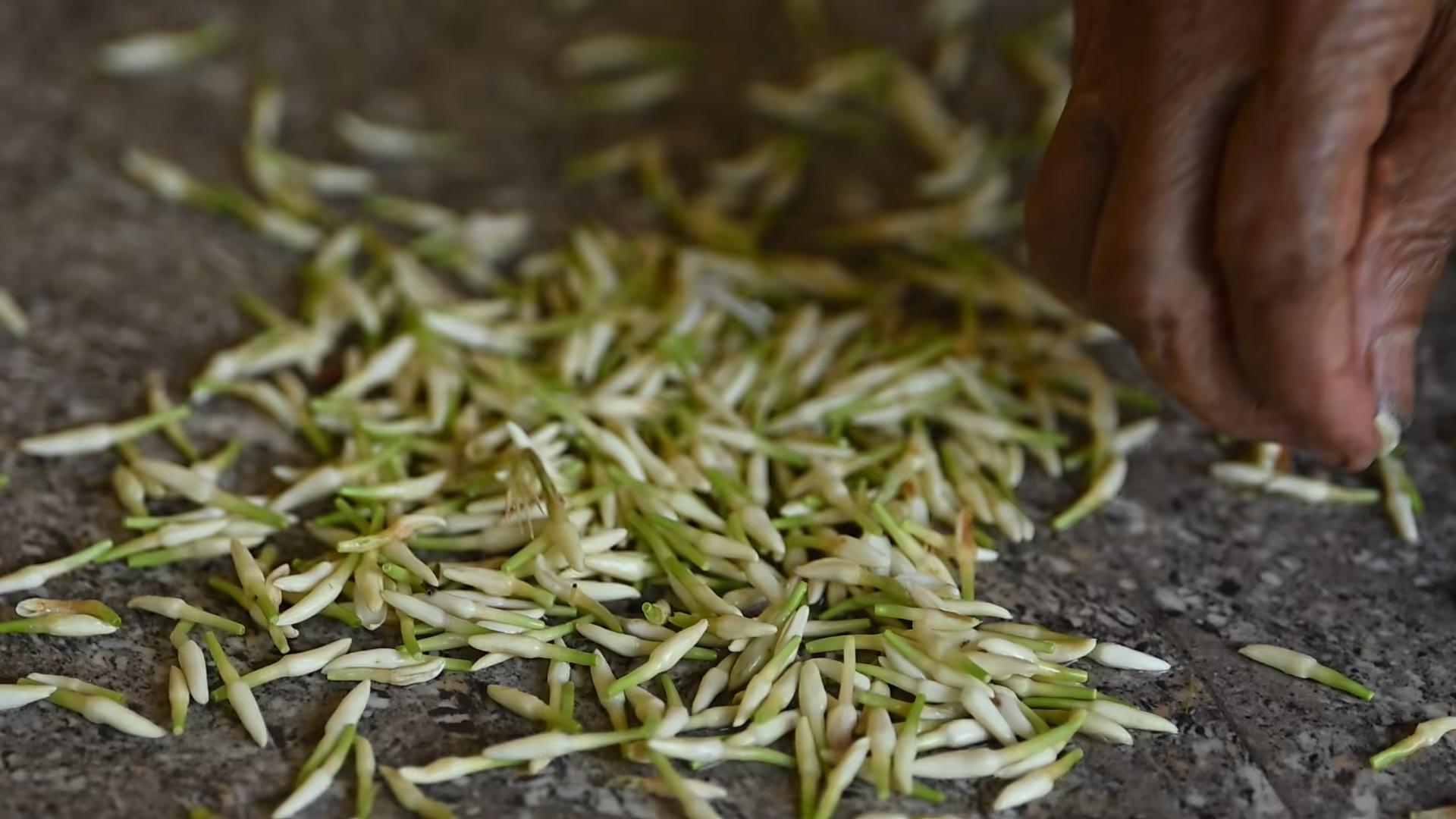
Mattu Gulla
Udupi's Sacred Green Brinjal, Grown Only in Mattu

Udupi's Sacred Green Brinjal, Grown Only in Mattu
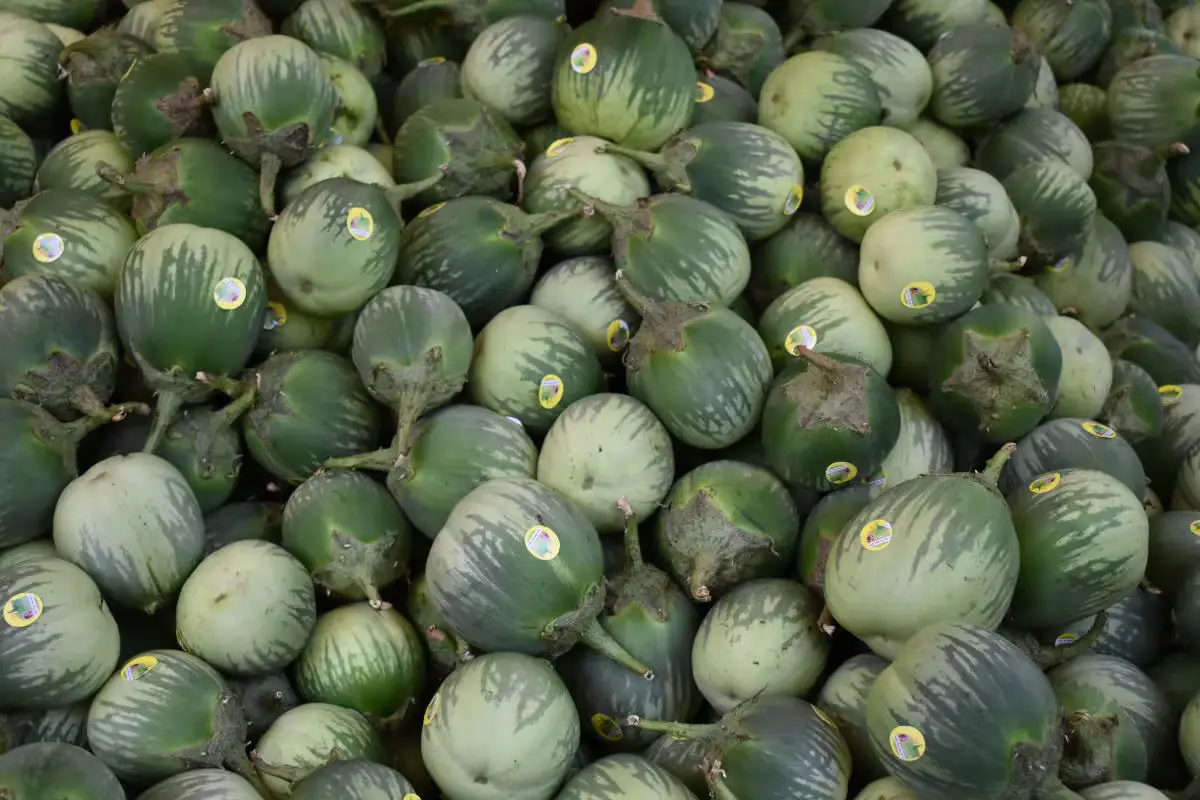
Mattu Gulla is the round, pale-green brinjal of Udupi, and it is as much a part of the district's food culture as the dosa or the temple prasada. Grown in and around Mattu village near Katapadi, it carries the Geographical Indication (GI) tag and is cherished for a flavour that local cooks say no other brinjal can match.
Origin and the Vadiraja Legend
Local tradition links Mattu Gulla to the saint Sri Vadiraja Tirtha of the Sode Vadiraja Matha, Udupi. According to the legend, he gave the seeds to the farmers of Mattu, which is why the variety is also known as Vadiraja Gulla (and in older usage Matti Gulla). The brinjal has been grown here for about four centuries, and its seed has been saved from one crop to the next by the farming families of the village. The saint's link is a cherished oral tradition rather than a documented record.
Where It Grows
The crop is cultivated on the fertile river-fed land of Mattu, between the Udyavar and Swarna rivers, and in nearby villages such as Pangala, Kopla and Kaipunjal. It is a seasonal crop, grown after the monsoon, and farmers traditionally enrich the soil with fish-meal manure, a coastal practice that adds to the plant's vigour.
What Makes Mattu Gulla Special
- Looks: Round, green with pale stripes, unlike the purple brinjals found elsewhere in India.
- Taste and texture: A thin skin, soft flesh with low moisture and a distinctive, slightly sweet flavour. It cooks quickly and holds its shape in a curry.
- In the kitchen: Best known in Udupi sambar, and also used in dishes such as gojju and palya. It is closely associated with the Sri Krishna Matha kitchen and the Udupi temple-food tradition.
- GI protection: Registered as Udupi Mattu Gulla Brinjal in 2011 on the application of the Mattu Gulla Gowers' Association (Mattu Gulla Belegarara Sangha). Only brinjals grown in the notified area may carry the name.
Keeping a Heritage Crop Alive
Mattu Gulla has faced pressure from pests, from high-yield hybrid brinjals and from the debate over genetically modified varieties. Farmers' associations, scientists and local organisations have worked to protect the native seed and its gene pool, and the GI tag has helped growers earn a fair price for the genuine fruit. Choosing authentic Mattu Gulla supports these farming families directly.
How to Experience It
- Taste it in Udupi: Order sambar or a brinjal side dish at the traditional Udupi restaurants and Matha-style meals, and ask whether Mattu Gulla is in season.
- Buy fresh: Look for the GI-tag sticker on the fruit at the Udupi market and at local vegetable shops during the season.
- Visit Mattu: Combine a trip to Mattu village with the nearby Mattu Beach and Kaup, and, with a farmer's permission, see the fields during the growing season.